Read the label in layers
Separate observation, identification, dating, interpretation and uncertainty.
Independent English museum guide
Learn to read labels, findspots, dates, materials and reconstructions before accepting the neat version in the case.
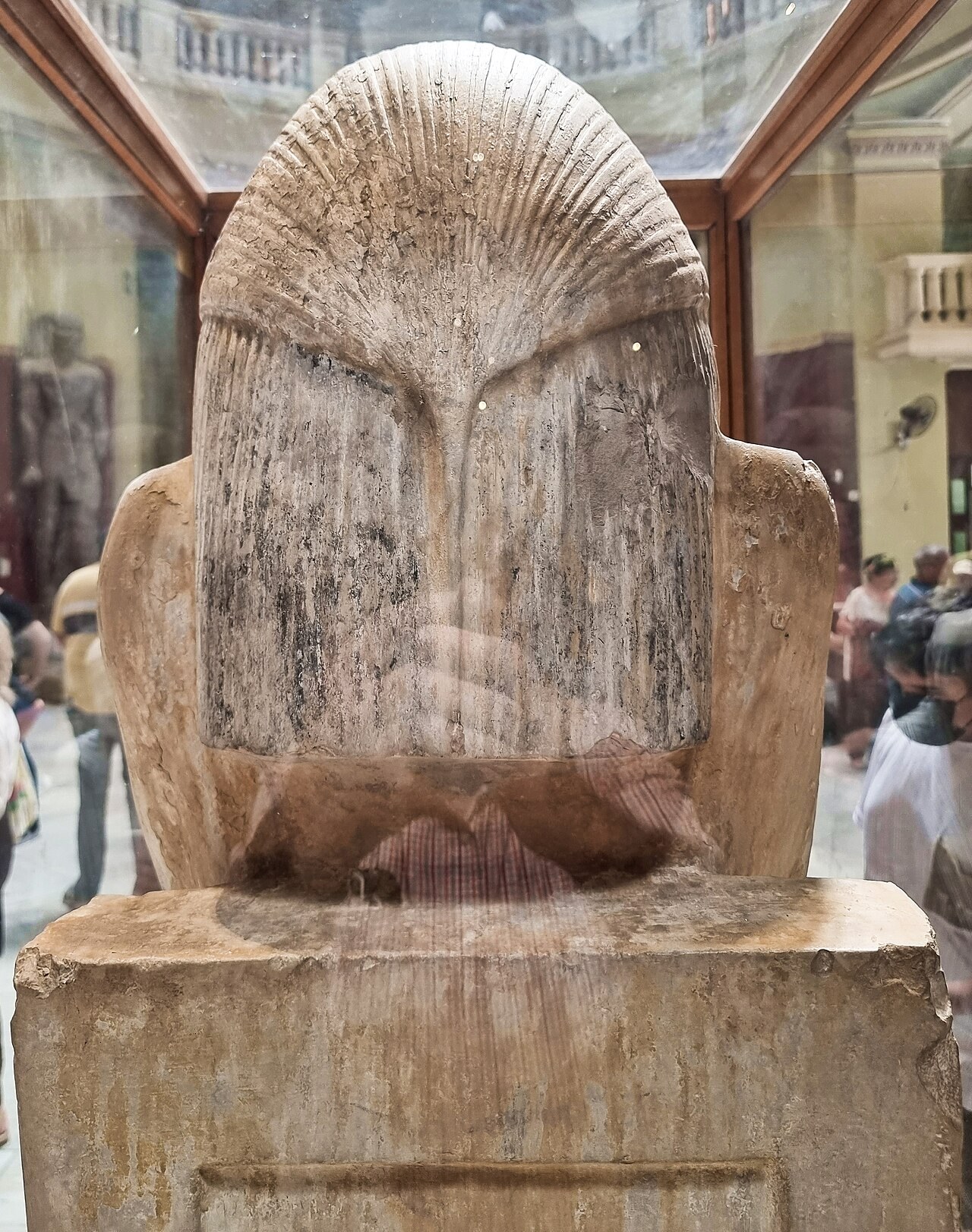
Three field methods
Start with what is physically visible, recover where the object came from, then separate evidence from the museum's reconstruction.
Separate observation, identification, dating, interpretation and uncertainty.
Findspot, excavation, acquisition and display are different stages.
Ask which parts are original, probable, modern and deliberately absent.
Four questions
A compact sequence for a national museum, specialist collection or regional display.
Material, surface, damage, joins and scale.
Site, room, burial, group or unknown context.
Inscription, comparison, excavation or scientific analysis.
The museum argument created by this display.
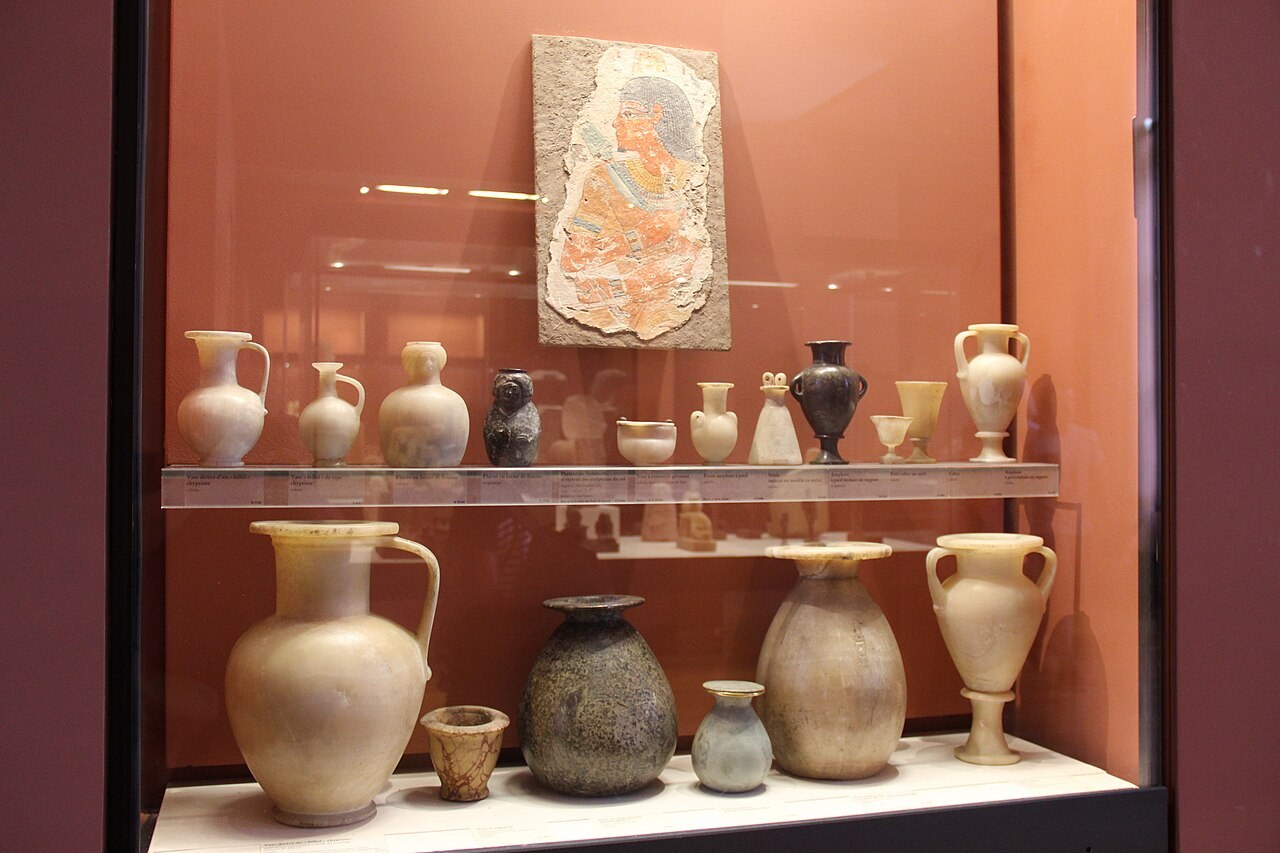
Small objects, large claims
Vessels, tools, fragments and ordinary wear can explain production and use more clearly than an isolated famous object.