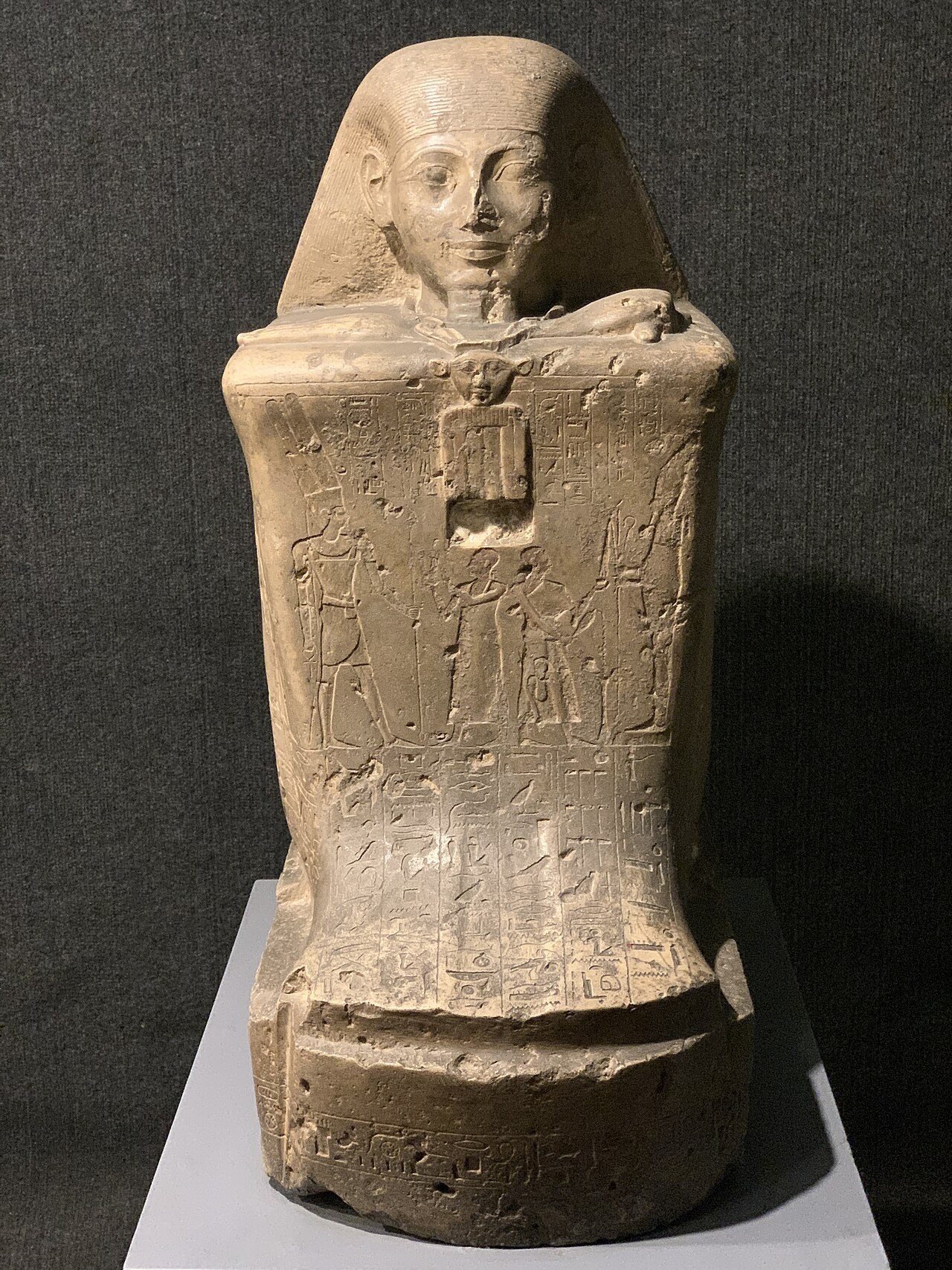
Luxor Museum can reconnect close object study with the Theban landscape. Its strongest use is not as another item after a monument marathon, but as a controlled comparison between fragment, findspot and architectural setting.
Choose one site as your first context
Use Karnak or Luxor Temple as an anchor rather than attempting every monument first. Record one question about relief sequence, royal image, reuse or an archaeological group. After a real break, let the museum test that question at a smaller scale and under controlled light.
Copy the exact findspot language
Thebes, Luxor, Karnak, a temple area, cache and individual excavation location carry different precision. Record the site and object number before interpreting the display. Pieces that appear closely related may come from different buildings or discoveries; pieces found together may now be separated by type or chronology.
Read block edges as evidence
A relief fragment preserves the cut scene and the boundaries created by breakage, reuse or excavation. Look for original joint, later cut, backing and modern mount. Direction of figures and inscriptions can suggest neighboring content, but avoid rebuilding a whole wall unless provenance or a published reconstruction supports it.
Restore height and movement
A block displayed at eye level may have stood above a doorway or inside a sequence approached from one direction. Scale your body against the fragment, then use the label to estimate the ancient viewpoint. The museum makes detail accessible while removing procession, sunlight, neighboring architecture and restricted access.
Distinguish ancient alteration from modern restoration
Names, crowns and surfaces could be recut across reigns; blocks could be reused in later buildings. Modern reassembly has another purpose. Identify which change the label documents and what remains visible. Several interventions may coexist, turning a fragment into evidence for political succession, building history and conservation.
Rebuild a small archaeological group
Select three objects tied to one documented site or discovery. List date, material, function and original relationship. Then add one nearby object displayed only for comparison. This method separates ancient association from curatorial argument without treating one as more legitimate than the other.
Put administration and labor beside kingship
Titles, tools, non-royal burial objects and technical surfaces reveal the institutions behind monuments. Choose one modest object and ask what work, transport, record-keeping or ritual service it makes visible. The regional museum can turn a landscape of royal names back into a system of people and practices.
Carry one detail outside
Take a block join, offering pose, crown or inscription direction to the next site. Look for the feature rather than hunting the exact object. This makes the museum a bridge to the landscape. Confirm current opening and access through an official channel; the Ministry link used here is a collection article, not a live ticket page.
Use the bank as geography, not a slogan
East-bank temples and west-bank funerary landscapes form important patterns, but actual movement, settlement and reuse were more complex than a simple life-versus-death opposition. Record the exact site and ancient route proposed by the label. River crossing, processions, workshops and later urban growth connected places that a modern itinerary may divide into separate sightseeing zones.
Primary sources reviewed 28 July 2026: Luxor Museum collection note ↗. Displays and visitor conditions may change.